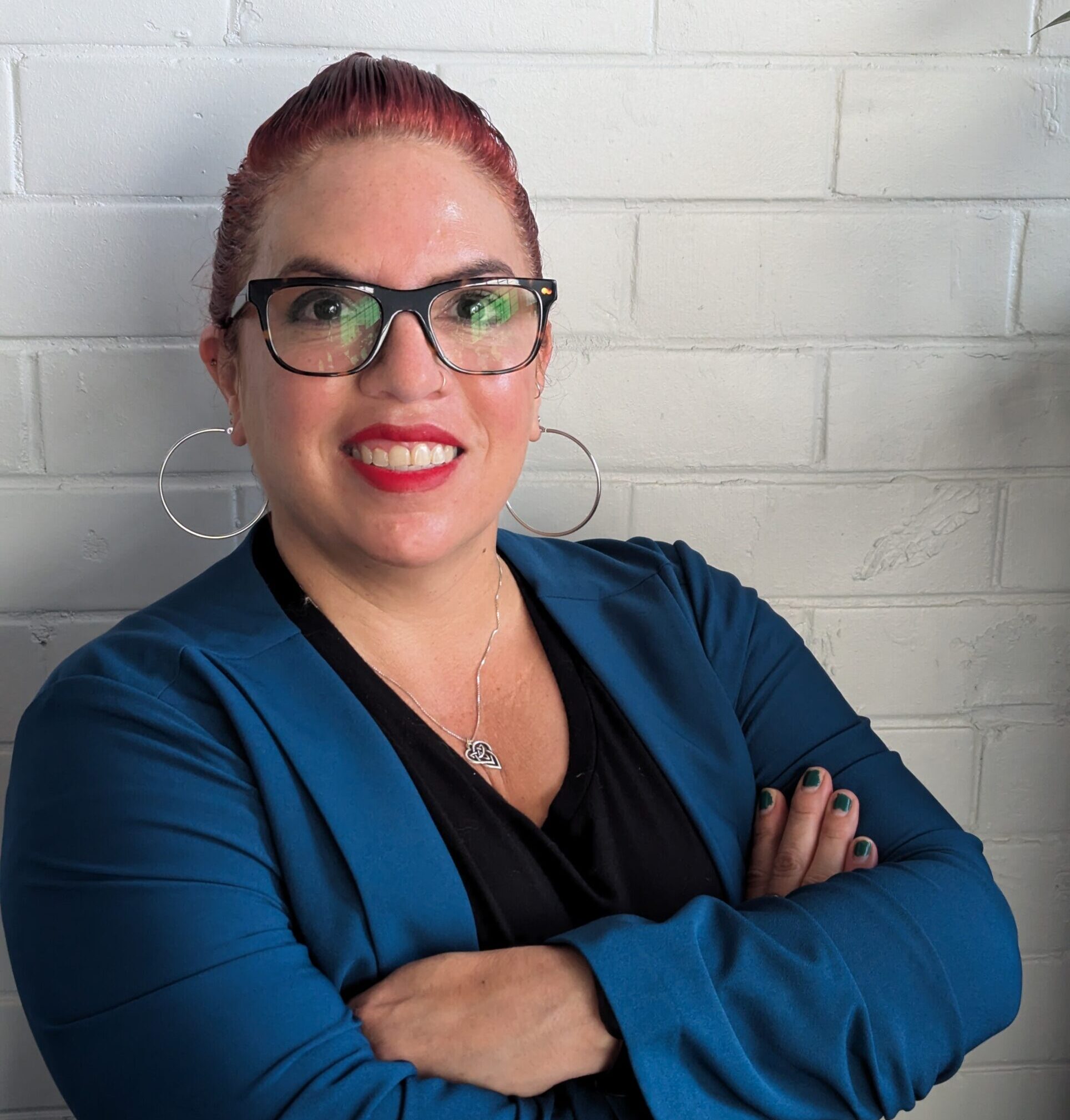
Of Milestones and Mentors: How One Scholar Is Making a Difference for Students
Every survey she receives from Amgen Scholars is an opportunity for Sandra Sanchez to proudly mark new milestones in her career journey. The latest marker is her appointment as an assistant professor at Framingham State University in Massachusetts, where she teaches and conducts microbiology research in the biology department
“Every time I got the survey, it was really cool to be able to put on there that I got into grad school, and then I got a postdoc position, and I’m still in postdoc,” Sanchez recalls. Reflecting on those many steps between her time as an Amgen Scholar in 2011 at UCLA and now, Sanchez prioritizes mentorship, helping to prepare students for their research paths, something especially important to her as a first-generation college student.
Growing up in Colombia, Sanchez immigrated to the United States when she was 11 years old. She remembers having a tough time adjusting to her new life in southern California, and in particular learning English. After high school, she immediately got a job, to help support herself and her family. She worked for several years as a software sales representative to the U.S. government, and while she was successful, she could not imagine spending the rest of her life in that job.
Sanchez decided to take an evening class at a community college and was pleasantly surprised to find that it felt better than high school had. She eventually took an introductory biology class, as nursing sounded like a promising new career path. “And my biology professor was really encouraging. She was like, ‘You’re doing great. You’re going to sign up for my honor section.’ And I said, ‘No, I don’t do honors,’” she recalls. But the professor persisted, and Sanchez took the honors class and got an ‘A.’
After taking another biology class, Sanchez says, “the biology department kind of adopted me.” When she was taking a microbiology class for the first time, she remembers thinking: “This is so cool. These things are so tiny, and they do so much, even though they don’t have organelles. They’re just these little balls of things, and they somehow do all the things that eukaryotic cells can do.”
Over time, Sanchez came to realize that nursing was not the only path and that she could become a “Dr.” through research. Her professors introduced her to a one-week bridge program at UCLA and also put her in touch with a microbiology professor at Cal State Northridge, where she transferred after two years at the community college. There, she was able to do research supported by a grant for minority access to research careers. It was at Northridge that she first learned about the Amgen Scholars program.
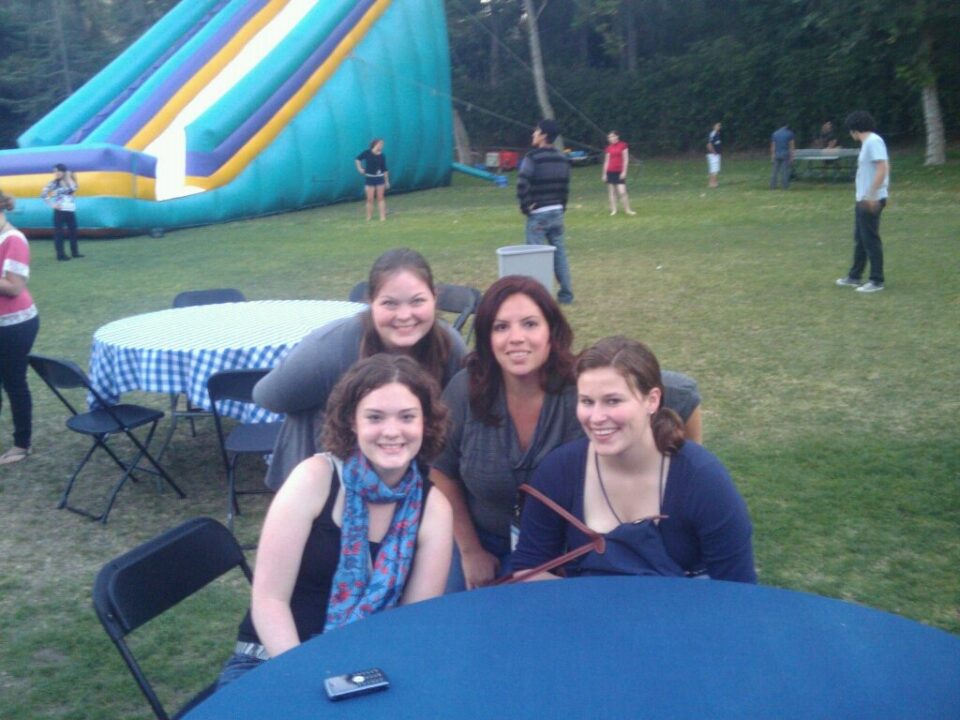
“Amgen Scholars was the first time that I got to do research in a lab setting for more than one week and outside of my regular institution,” Sanchez says. One of the best parts, she says, was meeting students from diverse backgrounds, all pursuing different fields: “I was really hardcore microbiology, that’s what I wanted to do. But I had a friend in my cohort who was a chemist. She’s now an organic chemist at a company. Another person was in neuroscience. It was amazing to be part of this group of people who all wanted to do research.”
Sanchez also remembers being inspired by the trip she and her UCLA cohort took to Amgen. “I thought ‘I can’t wait until I get to that position where I get to have all those things that we saw in the labs there,’” she says. Overall, the Amgen Scholars program reinforced her desire to go to graduate school and pursue research.
Now, Sanchez’s lab at Framingham is looking at a bacteria called Vibrio natriegens, which is a fast growing organism that’s safe for undergraduates to work with. As it doubles every 10 minutes, it has risen in popularity as a model organism like E. coli. Working with her students to characterize their motility, biofilm formation, and growth, she prioritizes informing them about potential opportunities for their educational and career paths.
“I’ve been very fortunate to have phenomenal mentors all along my path,” Sanchez says. She specifically pursued a teaching fellowship for her postdoc at Tufts University in Boston, so that she could not only do research but also learn how to be a mentor and a professor. “That experience solidified for me that I wanted to be at a primarily undergraduate institution,” she says. “I wanted to be somewhere where I can make a difference. I can make a change. I can bump into someone who is thinking about research, but is not sure, and say ‘Oh, I’ve got you.’”